

An explosive diarrhea parasite outbreak can raise immediate concerns about contaminated food, unsafe water, or an infectious illness spreading through a community. Several intestinal parasites can cause frequent or watery diarrhea, but not every sudden bout of diarrhea is caused by a parasite.
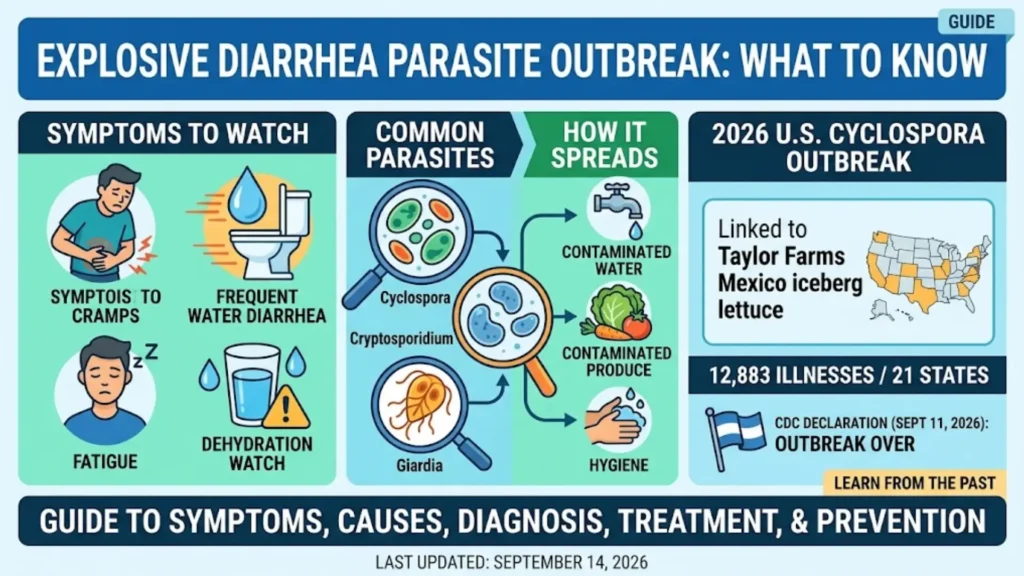
Parasites such as Cyclospora, Cryptosporidium, and Giardia are among the better-known causes of gastrointestinal illness. Symptoms can include diarrhea, abdominal cramps, nausea, fatigue, dehydration, and, depending on the parasite, weight loss or prolonged symptoms.
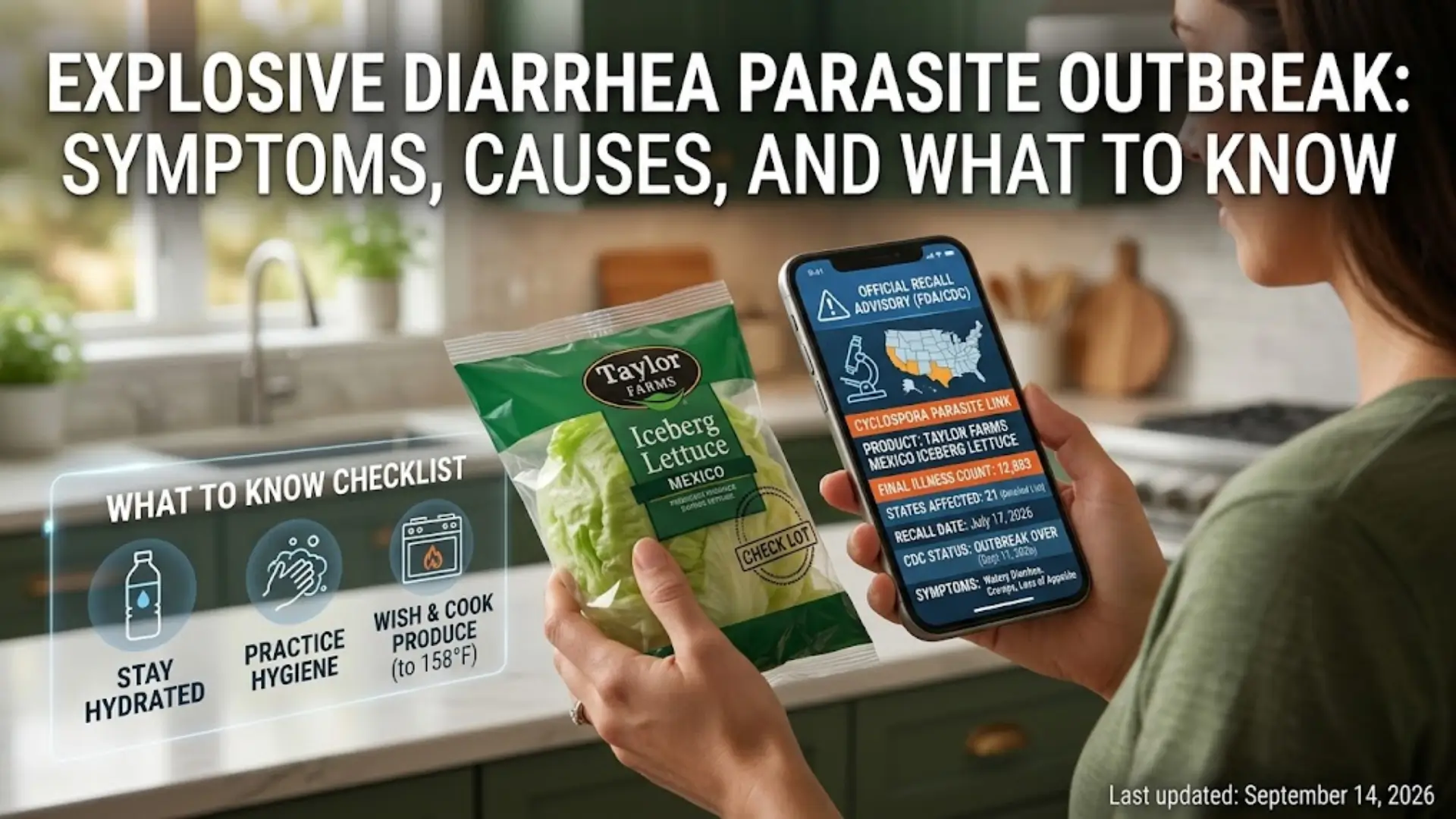
There was also a major U.S. Cyclospora outbreak linked to iceberg lettuce from Taylor Farms de Mexico in 2026. CDC declared that specific outbreak over on September 11, 2026, while FDA continues its investigation. The final FDA update reported 12,883 illnesses across 21 states, although individual cases of Cyclospora can continue to occur from other sources.
This guide explains what explosive diarrhea can mean, which parasites can cause it, how infections spread, what symptoms to watch for, how testing works, and when medical care may be necessary.
What Is Explosive Diarrhea?
“Explosive diarrhea” is a descriptive term rather than a specific medical diagnosis. It generally refers to diarrhea that comes on suddenly and may involve frequent, urgent, or forceful bowel movements.
Diarrhea can have many causes, including:
- Viral infections
- Bacterial infections
- Parasitic infections
- Food poisoning
- Medication side effects
- Food intolerances
- Certain digestive disorders
- Other medical conditions
A parasite is therefore only one possible explanation for sudden or severe diarrhea.
The symptoms and recent exposure history are important when determining whether a parasitic infection is likely.
Can a Parasite Cause Explosive Diarrhea?
Yes. Several intestinal parasites can cause frequent or watery diarrhea.
Three important examples are:
Cyclospora
Cyclospora cayetanensis causes an intestinal infection called cyclosporiasis. It can cause watery and sometimes frequent diarrhea, along with loss of appetite, weight loss, abdominal cramps, bloating, gas, nausea, and fatigue.
Cyclospora is particularly relevant when discussing foodborne outbreaks because contaminated fresh produce can transmit the parasite.
Cryptosporidium
Cryptosporidium, often called “Crypto,” commonly causes prolonged, frequent, and watery diarrhea. Other symptoms can include stomach cramps, nausea, vomiting, fever, weight loss, and dehydration. Symptoms generally begin 2 to 10 days after infection, with an average of about seven days.
Cryptosporidium can spread through contaminated water, food, surfaces, and contact with infected people or animals.
Giardia
Giardia is another intestinal parasite that commonly causes diarrhea.
People with giardiasis may experience:
- Diarrhea
- Gas
- Greasy or foul-smelling stools that may float
- Stomach cramps
- Nausea
- Fatigue
- Dehydration
Symptoms generally begin one to two weeks after swallowing Giardia germs and commonly last two to six weeks.
2026 Cyclospora Parasite Outbreak: What Happened?
The most significant recent U.S. parasite outbreak associated with the search term explosive diarrhea parasite outbreak involved Cyclospora.
In July 2026, CDC, FDA, and state and local health authorities began investigating a multistate outbreak of cyclosporiasis. Epidemiological and traceback evidence eventually linked the outbreak to iceberg lettuce sourced from central Mexico and processed by Taylor Farms de Mexico.
Taylor Farms initiated a voluntary recall on July 17, 2026, covering iceberg lettuce sourced from central Mexico. Recalled retail products included certain Marketside iceberg salad and shredded lettuce products with specified July and August 2026 best-by dates.
How Large Was the Outbreak?
The final FDA update reported:
- 12,883 illnesses
- 21 states
- Illnesses associated with the outbreak occurred before and around the time of the recall
- The recalled lettuce was considered off the market
- CDC declared the outbreak over on September 11, 2026
FDA continues its investigation even though the CDC outbreak response has ended.
This distinction matters: the specific 2026 outbreak is over, but Cyclospora infections themselves have not disappeared. CDC continues to monitor other Cyclospora illnesses and clusters that may have different sources.
What Are the Symptoms of a Parasite Infection?
Symptoms vary depending on the parasite and the person’s health.
Common symptoms may include:
Diarrhea
Diarrhea is a major symptom of Giardia, Cryptosporidium, and Cyclospora infections. It may be watery, frequent, prolonged, or recurrent.
Abdominal Cramps
Stomach pain and cramping are common with several intestinal parasites.
Nausea
Some parasitic infections can cause nausea, and Cryptosporidium can also cause vomiting.
Gas and Bloating
Gas and bloating are especially associated with Giardia and Cyclospora.
Fatigue
Ongoing diarrhea and reduced food intake can contribute to significant tiredness. Fatigue is also a recognized symptom of Cyclospora infection.
Weight Loss
Prolonged intestinal infections can cause loss of appetite and weight loss. Cyclospora and Giardia can both cause this symptom.
Dehydration
Frequent diarrhea can cause substantial fluid loss. Dehydration is one of the most important complications to watch for, particularly in infants, young children, older adults, and people who are otherwise medically vulnerable.
How Do Parasite Outbreaks Spread?
The route of transmission depends on the parasite.
Contaminated Food
Some parasites can contaminate foods during production, processing, preparation, or handling.
The 2026 Cyclospora outbreak demonstrated how contaminated produce can contribute to a large multistate outbreak.
Contaminated Water
Giardia and Cryptosporidium can spread through contaminated water. People can become infected after swallowing contaminated recreational or drinking water.
Person-to-Person Transmission
Giardia can spread when microscopic amounts of infected stool contaminate hands, surfaces, objects, food, or water.
Cryptosporidium can also spread through contact with infected people or contaminated environments.
Recreational Water
Swimming pools, splash pads, lakes, and other recreational water sources can become sources of exposure to certain parasites.
For Giardia prevention, CDC recommends avoiding swallowing recreational water and staying out of swimming areas while experiencing diarrhea.
Who Is More Vulnerable to Severe Illness?
Anyone can develop a parasitic intestinal infection, but the effects can be more serious for some people.
Extra attention may be needed for:
- Infants and young children
- Older adults
- Pregnant people
- People with weakened immune systems
- People who become significantly dehydrated
- People with prolonged or severe diarrhea
Cryptosporidium can cause more severe and prolonged disease in people with weakened immune systems.
Rapid fluid loss can also be particularly dangerous for infants.
How Are Parasite Infections Diagnosed?
A healthcare professional may use symptoms, exposure history, and laboratory testing to determine whether a parasite is responsible.
Stool Testing
Stool samples are commonly used to identify intestinal parasites.
CDC notes that multiple stool samples may sometimes be necessary because parasites are not necessarily present in every bowel movement. For general parasitic disease testing, CDC recommends that three or more stool samples collected on separate days may be examined when appropriate.
Giardia Testing
Healthcare providers may request one or more stool samples to look for Giardia. CDC recommends collecting three stool samples over several days for more accurate diagnosis.
Cryptosporidium Testing
Cryptosporidium can also be diagnosed through stool testing. Because the parasite may not be released consistently in stool, healthcare providers may request specimens collected over several days.
Cyclospora Testing
Cyclospora can be difficult to detect through routine testing. Special laboratory methods may be required, and several stool samples collected on different days may be necessary.
If a healthcare provider suspects Cyclospora, it is important to mention relevant food, travel, water, and outbreak exposure because specific testing may need to be requested.
How Are Parasite Infections Treated?
Treatment depends on the specific parasite.
There is no single parasite medicine that treats every cause of diarrhea.
Giardia Treatment
Healthcare providers have several prescription treatment options for Giardia. Treatment decisions can depend on medical history, nutritional status, immune status, and other factors.
Cryptosporidium Treatment
Most people with healthy immune systems recover from cryptosporidiosis without specific treatment, although maintaining hydration is important.
Nitazoxanide is an FDA-approved prescription treatment for cryptosporidiosis in people with healthy immune systems who are at least one year old.
Cyclospora Treatment
Cyclospora infections are treated differently from Giardia and Cryptosporidium. CDC identifies trimethoprim-sulfamethoxazole, also known by brand names such as Bactrim, Septra, or Cotrim, as the treatment of choice.
Because treatment depends on the organism, people should not self-treat suspected parasitic diarrhea with leftover prescription medication.
What Should You Do If You Have Explosive Diarrhea?
If sudden diarrhea occurs, the immediate priority is preventing dehydration.
Replace Lost Fluids
Drink fluids regularly. If diarrhea is significant, oral rehydration solutions can help replace water and electrolytes.
Do not wait until severe thirst develops before paying attention to hydration.
Watch for Dehydration
Potential warning signs can include:
- Very dark urine
- Reduced urination
- Dry mouth
- Significant weakness
- Dizziness
- Unusual sleepiness or confusion
Infants and young children can become dehydrated quickly.
Think About Recent Exposures
Tell a healthcare provider if you recently:
- Ate food connected to a recall or outbreak
- Drank untreated water
- Swam in lakes, pools, or splash pads
- Traveled
- Had close contact with someone experiencing diarrhea
- Developed similar symptoms after a household member became sick
This information can help guide testing.
When Should You Seek Medical Care?
Contact a healthcare professional if diarrhea is severe, persistent, recurrent, or accompanied by concerning symptoms.
Medical evaluation is particularly important when there is:
- Significant dehydration
- Severe abdominal pain
- Blood in the stool
- Persistent vomiting
- High or persistent fever
- Confusion or unusual weakness
- Diarrhea that does not improve
- Symptoms in a young infant
- Symptoms in someone with a weakened immune system
People who may have been exposed during a known outbreak should also tell their healthcare provider about that exposure.
How Can You Prevent a Parasite Outbreak at Home?
Good hygiene and safe food and water practices can reduce transmission.
Wash Your Hands
Wash hands with soap and water:
- After using the bathroom
- After changing diapers
- Before preparing food
- Before eating
- After touching animals or animal environments
- After cleaning areas contaminated with diarrhea
CDC specifically recommends handwashing as an important measure for preventing Giardia.
Use Safe Drinking Water
Avoid drinking untreated water from lakes, rivers, streams, springs, or other potentially contaminated sources.
CDC recommends boiling water for at least one minute to kill Giardia when treating water from recreational or outdoor sources.
Handle Produce Carefully
Wash fresh produce thoroughly under running water before eating, cutting, or cooking.
For Cyclospora, CDC notes that washing alone cannot guarantee removal of the parasite and that cooking produce to at least 158°F (70°C) can kill it.
Stay Out of Pools When Sick
Do not swim while experiencing diarrhea. This is particularly important for parasites that can spread through recreational water.
Clean Contaminated Surfaces
If someone in the household has infectious diarrhea, clean and disinfect areas that may have been contaminated.
Giardia prevention guidance specifically recommends cleaning and disinfecting areas where a person or pet recently had diarrhea.
Does Explosive Diarrhea Always Mean a Parasite?
No.
This is one of the most important points when searching for explosive diarrhea parasite outbreak information.
Sudden or severe diarrhea can result from many different causes. A parasite cannot be identified from the appearance or intensity of diarrhea alone.
For example, Giardia may cause diarrhea with gas and greasy, floating stools, while Cryptosporidium is more strongly associated with prolonged, frequent, watery diarrhea. Cyclospora can cause watery and recurrent diarrhea along with fatigue, weight loss, and abdominal symptoms.
Laboratory testing may be needed to determine the actual cause.
What Is the Difference Between an Outbreak and an Individual Infection?
An individual infection means one person becomes sick from an infectious organism.
An outbreak means public health officials identify a group or cluster of illnesses connected by time, place, exposure, or another epidemiological relationship.
A person can have a parasite infection without being part of a recognized outbreak.
Likewise, an outbreak can involve many people whose symptoms vary in severity.
This is why official outbreak investigations rely on laboratory results, interviews, food histories, traceback investigations, and other evidence rather than symptoms alone.
What Happened to the 2026 Cyclospora Outbreak?
The 2026 iceberg-lettuce-associated Cyclospora outbreak has ended, according to CDC’s September 11 announcement.
FDA’s latest investigation page reports that the outbreak involved 12,883 illnesses across 21 states. FDA also states that the recalled lettuce is no longer on the market, while its investigation and post-outbreak activities continue.
This means consumers should not interpret current diarrhea cases as automatically belonging to that outbreak.
Other Cyclospora infections can occur, and CDC continues to monitor illnesses and clusters from other sources.
Frequently Asked Questions
What parasite causes explosive diarrhea?
Several parasites can cause severe or frequent diarrhea, including Cyclospora, Cryptosporidium, and Giardia. However, explosive diarrhea alone cannot identify a particular parasite.
Can Cyclospora cause explosive diarrhea?
Cyclospora can cause watery and sometimes frequent diarrhea. It may also cause cramping, bloating, gas, nausea, fatigue, loss of appetite, and weight loss.
What parasite causes watery diarrhea?
Cryptosporidium commonly causes prolonged, frequent, watery diarrhea. Cyclospora can also cause watery diarrhea, while Giardia commonly causes diarrhea that may occur with gas and greasy, floating stools.
Was there a parasite outbreak in 2026?
Yes. A major U.S. Cyclospora outbreak was linked to iceberg lettuce from Taylor Farms de Mexico. CDC declared the specific outbreak over on September 11, 2026. FDA’s final update reported 12,883 illnesses in 21 states and said its investigation remains ongoing.
How do doctors test for parasites that cause diarrhea?
Doctors can use stool testing to identify intestinal parasites. Depending on the suspected organism, multiple stool samples or specialized laboratory testing may be necessary.
How long can parasite diarrhea last?
The duration varies. Giardia symptoms commonly last two to six weeks, while Cryptosporidium can cause diarrhea lasting days to weeks. Cyclospora can cause prolonged or recurring diarrhea if untreated.
What should I drink if I have severe diarrhea?
Replacing lost fluids is important. Water and appropriate oral rehydration fluids can help reduce the risk of dehydration. People with severe symptoms, infants with diarrhea, or anyone showing signs of dehydration should seek medical advice promptly.
Should I take anti-diarrhea medicine if I suspect a parasite?
Do not assume that an over-the-counter or prescription anti-diarrheal medication is appropriate for every infection. The best approach depends on the cause and the person’s health. If symptoms are severe, persistent, or associated with an outbreak exposure, speak with a healthcare professional.
Conclusion
An explosive diarrhea parasite outbreak can involve serious gastrointestinal illness, but explosive diarrhea itself does not prove that a parasite is responsible. Cyclospora, Cryptosporidium, and Giardia can all cause diarrhea, yet they differ in symptoms, transmission, testing, and treatment.
The 2026 U.S. Cyclospora outbreak linked to Taylor Farms de Mexico iceberg lettuce was declared over by CDC on September 11, although FDA continues its investigation.
For anyone experiencing severe or persistent diarrhea, the priorities are hydration, recognizing warning signs, considering recent food or water exposures, and getting appropriate medical evaluation. Laboratory testing can help identify the organism when a parasitic infection is suspected.